


Что такое духи-атомайзеры? Полное руководство
Новости отрасли-Что такое духи-атомайзеры — краткий ответ
Духи-распылители — это система подачи ароматов, в которой используется небольшой насос или груша для превращения жидких духов в мелкий, равномерный туман. Вместо того, чтобы наносить или лить, вы нажимаете на сопло, и духи разбиваются на микроскопические капли, которые равномерно распределяются по вашей коже или одежде. Результатом является постоянное, контролируемое нанесение каждый раз — без проливов, без отходов, без неравномерной концентрации на одном месте.
Слово «атомайзер» происходит от концепции измельчения вещества до мельчайших частиц — атомов, в популярном воображении изобретателей XIX века. На практике распылитель духов работает по принципу, называемому эффектом Вентури: когда воздух проходит через узкую трубку с высокой скоростью, он создает зону низкого давления, которая вытягивает жидкие духи вверх через вторую трубку и выбрасывает их в виде мелкой струи. Большинство современных флаконов для духов-спрей работают именно по этому принципу. Будь то гладкие стеклянные флаконы для духов на прилавке универмага или многоразовые дорожные распылители в вашем кармане.
Если вы когда-либо пользовались стандартным парфюмерным спреем, который есть у подавляющего большинства людей, вы уже пользовались распылителем. Этот термин просто более конкретен и относится к самому механизму распыления, а не к аромату внутри.
История распылителя духов
Атомайзеры для духов имеют более длительную историю, чем ожидает большинство людей. Базовый механизм распыления вообще не был придуман для духов — он был разработан для медицинских целей. В 1858 году французский врач Салес-Жирон создал одно из первых портативных распылителей. помочь пациентам вдыхать лекарственные пары. Эта концепция была быстро принята парфюмерной промышленностью, которая признала, что распыление аромата было гораздо более элегантным и эффективным, чем старые методы нанесения аромата из открытых флаконов или применения пробковых палочек.
К концу 19-го века роскошные парфюмерные дома в Париже начали сочетать свои ароматы с декоративными стеклянными флаконами для духов, оснащенными распылителями с резиновой грушей, прикрепленной шелковой или бархатной трубкой. Это были объекты красоты и функциональности. Баккара, Лалик и другие мастера по стеклу производили флаконы-распылители, которые коллекционеры до сих пор преследуют, а некоторые антикварные экземпляры продаются на аукционах за тысячи долларов.
Помповый распылитель — привычная сегодня насадка для пальцев — получил широкое распространение в середине 20 века. Она почти полностью заменила систему лампочек в коммерческом производстве парфюмерии, поскольку ее было дешевле производить, ее легче герметизировать и она более надежна в сохранении целостности аромата с течением времени. Сегодня почти во всех массовых и роскошных ароматах-спрейах используется тот или иной вариант распылителя-помпы, встроенного непосредственно в крышку флакона.
Как на самом деле работает распылитель духов
Понимание механики поможет вам понять, почему распылители так эффективны и почему дешевые не работают. Механизм внутри помпового распылителя состоит из нескольких скоординированных частей, работающих вместе менее чем за секунду при каждом нажатии на сопло.
Основные компоненты
- Погружная трубка: Тонкая пластиковая или металлическая трубка, которая проходит от помпового механизма до дна флакона духов и вытягивает жидкость вверх.
- Насосная камера: Небольшой цилиндр, который сжимается при нажатии на сопло, создавая давление, проталкивающее жидкость через систему.
- Шаровой кран или пружинный клапан: Односторонний клапан, который предотвращает попадание воздуха в бутылку и слив жидкости обратно между использованиями.
- Отверстие сопла: Крошечное отверстие на распылительном наконечнике, обычно диаметром от 0,1 до 0,3 мм, которое определяет размер капель и форму распыления.
- Возвратная пружина: Возвращает насос в исходное положение после каждого нажатия, готовя к следующему распылению.
Когда вы нажимаете на сопло, вы сжимаете камеру насоса, выталкивая жидкость вверх и через сопло с высокой скоростью. Когда жидкость под давлением выходит из крошечного отверстия, она сталкивается с окружающим воздухом и разбивается на мелкие капли — это распыление. Хорошо спроектированный распылитель производит капли диаметром от 30 до 100 микрон. , достаточно маленький, чтобы на мгновение парить в воздухе и оседать на коже, не ощущая влаги или тяжести.
Качество отверстия сопла имеет решающее значение. Премиум стеклянные флаконы для духов Оснащенные высококачественными насосными системами, они производят равномерный мелкий туман с широким углом рассеивания. Дешевые распылители с плохо обработанными отверстиями, как правило, дают неравномерное распыление — иногда сильная струя в одном направлении, иногда капля — что приводит к трате парфюма и его неравномерному нанесению.
Типы распылителей духов
Не все распылители работают одинаково и служат одной и той же цели. Рынок предлагает несколько различных типов, каждый из которых подходит для разных потребностей и контекстов.
Атомайзеры со встроенным насосом
Это стандартный формат почти для каждого коммерческого аромата, продаваемого сегодня. Механизм помпы встроен непосредственно в крышку флакона и запломбирован на заводе. Сам стеклянный флакон для духов часто дополняет помпу — вспомните такие знаковые формы, как прямоугольный флакон Chanel № 5 или флакон со звездой Thierry Mugler Angel. Их нельзя пополнять через насос; После опустошения вы обычно покупаете новую бутылку или блок для заправки, который вставляется в основание.
Многоразовые дорожные атомайзеры
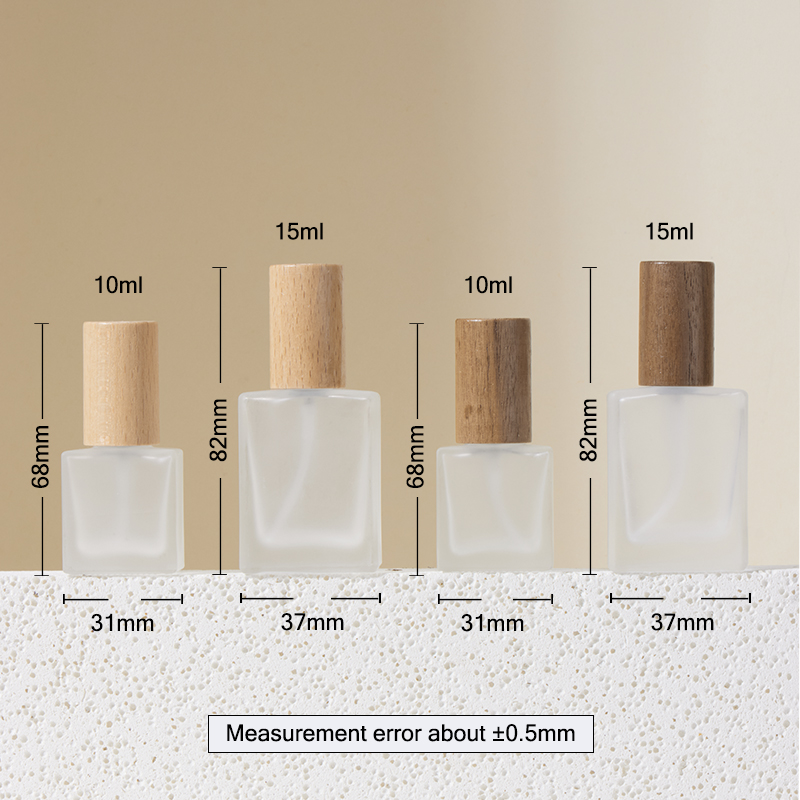
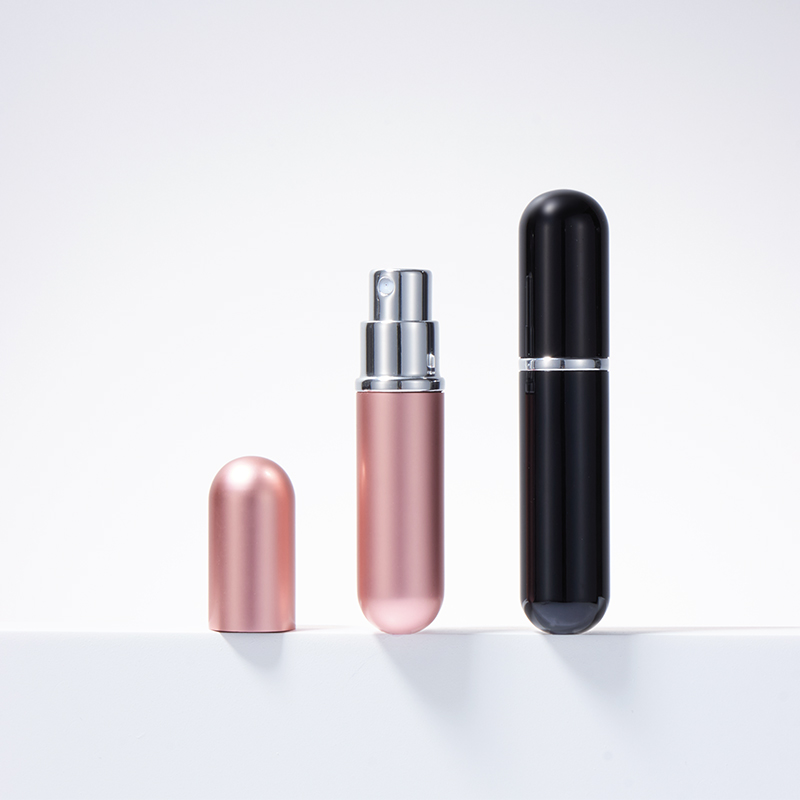
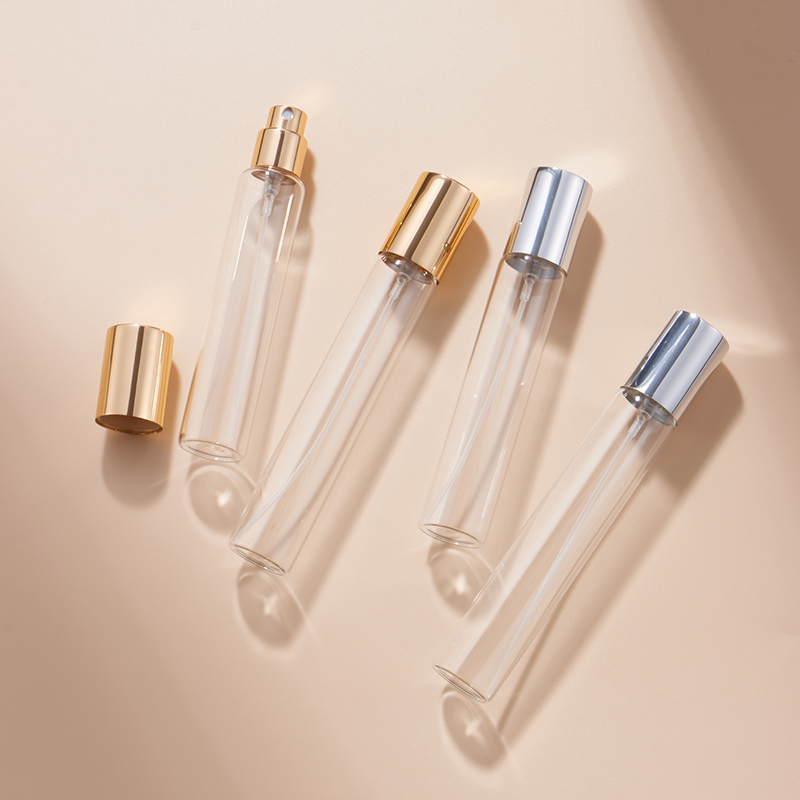
Это небольшие портативные флаконы с распылителем (обычно емкостью от 5 до 20 мл), предназначенные для наполнения из более крупного флакона для духов. Многие используют систему «нажми и наполни»: вы снимаете распылительную головку с основного стеклянного флакона для духов, прижимаете дорожный распылитель к открытой трубке и закачиваете духи непосредственно внутрь. Для других требуется отдельная воронка или шприц. Распылители для путешествий популярны, потому что большинство правил авиакомпаний ограничивают объем жидкости контейнерами по 100 мл, а специальный спрей для путешествий более удобен, чем проверка полноразмерной бутылки.
Винтажные распылители с лампочками
Классический распылитель с выжимной грушей — стеклянный флакон, соединенный гибкой трубкой с резиновой грушей — до сих пор производится, в первую очередь для стеклянных флаконов для духов в винтажном стиле и предметов коллекционирования. При сжатии груши воздух проходит через трубку, которая вытягивает жидкость из бутылки и выводит через сопло. Спрей немного менее мелкий и менее плотный, чем у помпового распылителя, но эстетическая привлекательность неоспорима. Многие коллекционеры парфюмерии и любители винтажа специально ищут этот стиль.
Распылители под давлением
Некоторые нишевые и ремесленные парфюмеры используют распылители в виде баллончиков под давлением, похожие на аэрозольные баллончики, в которых для вытеснения аромата используется газ-вытеснитель (обычно бутан или сжатый инертный газ). Они производят очень тонкий, равномерный туман и иногда используются для спреев для тела или помещений. Они менее распространены для тонких ароматов, поскольку пропеллент потенциально может со временем повлиять на характер аромата.
| Тип распылителя | Качество распыления | многоразового использования | Лучшее для | Типичный объем |
|---|---|---|---|---|
| Встроенный насос | Отлично | Обычно нет | Ежедневное использование, полные флаконы | 30мл – 200мл |
| Распылитель для путешествий | Хорошо | Да | Путешествие, портативность | 5мл – 20мл |
| Распылитель лампы | Умеренный | Да | Винтаж, декоративный | 30мл – 100мл |
| Распыление под давлением | Очень хорошо | Нет | Спрей для тела, спреи для помещений | 100мл – 250мл |
Почему стеклянные флаконы для духов являются предпочтительным выбором для атомайзеров
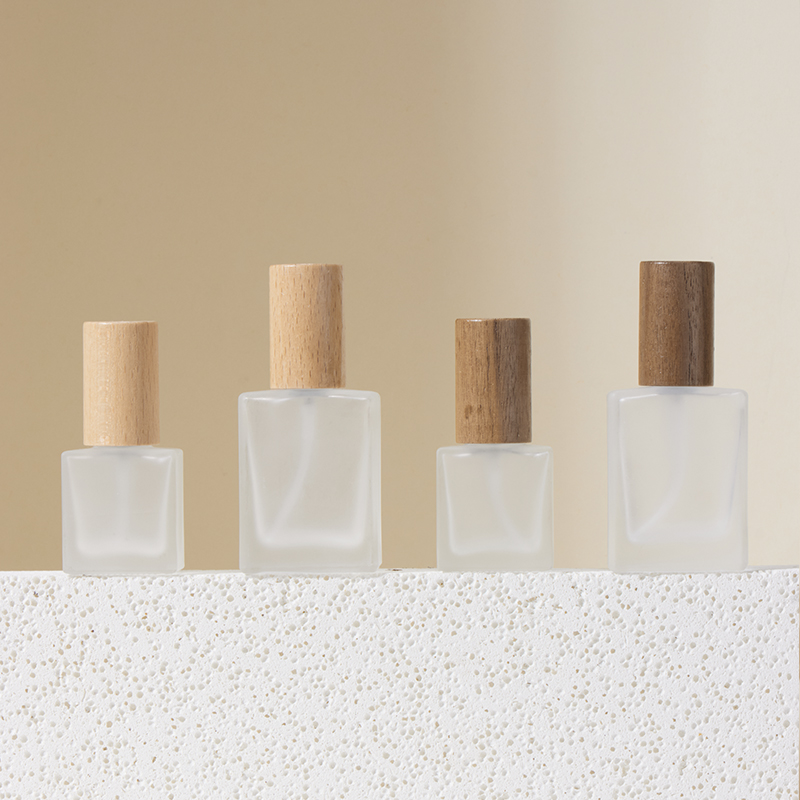
Контейнер в сочетании с распылителем имеет гораздо большее значение, чем думает большинство покупателей. Стеклянные флаконы для духов являются отраслевым стандартом для изысканных ароматов как по практическим, так и по химическим причинам. , а не просто ради эстетики — хотя эстетика играет значительную роль.
Химическая инертность
Духи – это сложная химическая смесь, содержащая спирт, ароматические соединения, эфирные масла и синтетические молекулы. Многие из этих соединений являются реактивными — они могут со временем взаимодействовать с пластиковыми контейнерами, вызывая выщелачивание химических веществ из пластика в аромат или ароматизаторы, разрушающие пластик. Стекло химически инертно. Он не вступает в реакцию со спиртом или ароматическими соединениями, а это означает, что аромат внутри стеклянного флакона для духов сохраняет свой предполагаемый характер от первого распыления до последнего. Духи, хранящиеся в дешевом пластиковом флаконе, через шесть месяцев могут заметно измениться; один и тот же аромат в запечатанном стеклянном флаконе может оставаться стабильным в течение многих лет.
Защита от ультрафиолета и света
Многие стеклянные флаконы для духов изготавливаются из тонированного или цветного стекла — темно-янтарного, кобальтово-синего или матового — именно потому, что ультрафиолетовый свет разрушает ароматические соединения. Некоторые ароматические молекулы, особенно верхние ноты цитрусовых и некоторые альдегиды, светочувствительны и разрушаются под воздействием прямых солнечных лучей. Качественный стеклянный флакон для духов соответствующей окраски отфильтровывает значительную часть вредного ультрафиолетового излучения. Даже прозрачное стекло обеспечивает барьер, с которым просто не может справиться пластиковая пленка или тонкие пластиковые контейнеры.
Герметичность печати
Отделка горлышка стеклянного флакона для духов — точные допуски по размерам отверстия флакона — позволяет механизмам распылителя насоса плотно сидеть и создавать воздухонепроницаемое уплотнение. Это предотвращает испарение спиртового носителя, которое концентрирует духи и изменяет их баланс, а также предотвращает окисление чувствительных ароматических соединений. Герметичный стеклянный флакон для духов с качественным распылителем-помпой может сохранить целостность аромата от 3 до 5 лет. при нормальных условиях хранения.
Вес и ощущение
У стеклянных флаконов для духов есть тактильное измерение, которое важно как для потребителей, так и для парфюмеров. Вес стекла передает качество так, как пластик не может повторить. Когда вы держите в руках хорошо сделанный стеклянный флакон для духов, плотность и гладкость материала свидетельствуют о мастерстве изготовления. Это не просто маркетинговая психология: более тяжелое стекло обычно означает более толстые стенки, которые обеспечивают лучшую защиту аромата внутри и большую структурную стабильность механизма распылителя, расположенного на горлышке.
Духи-атомайзеры против Dabber или Splash Bottle — в чем разница
До того, как распылители стали стандартом, большинство духов продавалось во флаконах с брызгами или со стеклянными пробками — форматы, которые доступны и сегодня, особенно для чистых концентраций парфюма и выпусков в винтажном стиле. Понимание разницы поможет вам выбрать правильный формат вашего аромата.
- Распылитель (спрей): Обеспечивает мелкое распыление на более широком участке кожи, оказывает более легкое первоначальное воздействие, которое усиливается по мере высыхания аромата, сводит к минимуму контакт кожи с пальцами и позволяет точно наслаивать различные количества.
- Даббер или бутылочка с брызгами: Наносит духи непосредственно из горлышка флакона или с помощью стеклянной пробки, наносит более концентрированный осадок в определенную точку, требует контакта пальца, что со временем может привести к попаданию кожного жира и бактерий во флакон.
- Роликовый: Использует шариковый аппликатор для нанесения парфюмерного масла непосредственно на кожу без использования спрея, что характерно для ароматов на масляной основе и туристических форматов.
Многие парфюмеры утверждают, что чистый парфюм — наиболее концентрированная форма аромата, обычно содержащая 20–40% ароматических соединений, — лучше всего ощущается в виде мазка, а не в виде спрея. Более высокая концентрация означает, что достаточно небольшого и точного нанесения, а прямой контакт с кожей может способствовать согреванию и более глубокому раскрытию аромата. Более легкие концентрации, такие как туалетная вода (5–15%) и парфюмированная вода (15–20%), почти всегда продаются в формате распылителя, поскольку спрей позволяет более широкое применение более разбавленной формулы.
Как правильно использовать духи-атомайзеры
Техника имеет большее значение, чем признает большинство людей. Неправильное использование распылителя приводит к потере аромата, сокращает срок его службы и может повредить как вашу кожу, так и развитие аромата.
Расстояние и угол
Держите распылитель на расстоянии примерно 15–20 сантиметров (6–8 дюймов) от кожи. Чуть ближе – и на небольшой площади образуется слишком много концентрированной жидкости; еще немного, и туман рассеется в воздухе, прежде чем достигнет вас. Идеальная дуга распыления горизонтальна или слегка направлена вниз. , воздействуя на точки пульса — запястья, внутреннюю часть локтей, основание горла, за коленями — там, где кровеносные сосуды проходят близко к поверхности кожи, и тепло тела активно рассеивает аромат.
Не тереть
Одна из самых распространенных ошибок — потирание запястий после распыления. Это физически разрушает молекулы верхних нот — самых легких и летучих ароматических соединений, которые создают первое впечатление от аромата, — заставляя их испаряться быстрее, чем предполагалось. Дайте туману осесть и высохнуть естественным путем. Затем парфюм будет развиваться естественным образом: верхние ноты переходят в сердечные ноты, которые в конечном итоге уступают место базе.
Сколько распылений
Это полностью зависит от концентрации ароматизатора. Примерное руководство:
- Eau Fraîche или одеколон (1–5%): От 4 до 8 распылений, так как они очень легкие и требуют обильного нанесения.
- Туалетная вода (5–15%): От 3 до 5 распылений для повседневных ситуаций.
- Парфюмированная вода (15–20%): 2–3 распыления, так как они хорошо распыляются и служат дольше.
- Парфюм/Экстраит (20–40%): Максимум 1–2 распыления или используйте мазок. Они сильно сконцентрированы и немного уходят на значительное расстояние.
Распыление на одежду
Распыление духов из распылителя на ткань, а не на кожу, является обычным явлением, и это действительно продлевает срок службы — ткань удерживает молекулы аромата дольше, чем кожа. Однако некоторые ароматы содержат красители, смолы или темные базовые ноты, которые могут навсегда испачкать деликатные ткани. Всегда сначала проверяйте на незаметном участке и избегайте распыления непосредственно на шелк, шерсть или светлые ткани с сильными ароматами. В составах высококачественных стеклянных флаконов для духов обычно используются бесцветные или почти бесцветные основы, но это все равно стоит проверить.
Уход за распылителем и стеклянным флаконом для духов
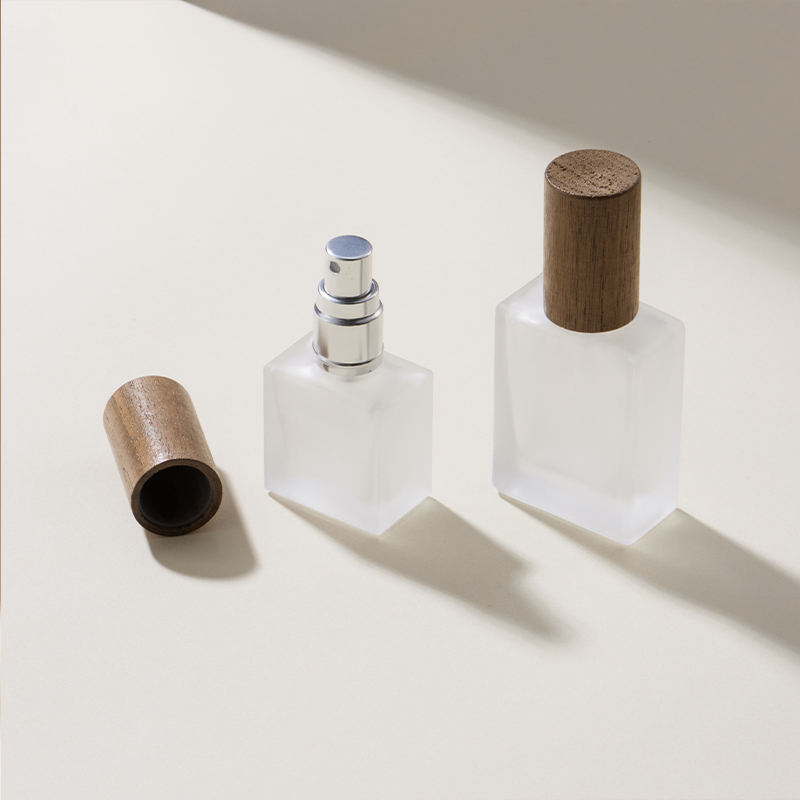
Механизм распылителя и сам флакон требуют элементарного ухода для правильной работы и продления срока службы вашего аромата.
Условия хранения
Храните стеклянные флаконы для духов в прохладном, темном месте — вдали от окон, влажности в ванной комнате и прямых источников тепла. Идеально подойдет комод в спальне или специальный шкаф для ароматов. Колебания температуры выше 25°C (77°F) ускоряют химическое разложение ароматических соединений. , особенно в бутылях, которые были открыты и частично использованы. Ванная комната, несмотря на то, что она является наиболее распространенным местом хранения парфюмерии, на самом деле является одним из худших мест из-за жары и влажности из-за душа.
Очистка засоренного распылителя
Форсунки распылителя могут засориться, если ароматические соединения или смолы высохнут внутри отверстия. Если распыление стало неравномерным или перестало работать:
- Если возможно, снимите распылительную головку и погрузите в теплую воду только кончик насадки на 10–15 минут.
- Используйте тонкую булавку или зубочистку, чтобы аккуратно очистить отверстие — не вставляйте в него ничего, что могло бы расширить или повредить отверстие.
- При стойких засорах изопропиловый спирт, нанесенный на ватный тампон вокруг отверстия насадки, может растворить большинство засохших ароматических соединений.
- Прокачайте чистую воду через механизм несколько раз, если бутылка пуста и вы пытаетесь перепрофилировать распылитель.
Заправка стеклянных флаконов для духов
Некоторые стеклянные флаконы для духов предназначены для многоразового использования — многие роскошные дома, в том числе Hermès и Chanel, предлагают программы пополнения своих фирменных флаконов. Сам флакон, часто изготовленный вручную и художественно отделанный, предназначен для хранения и повторного использования при замене только аромата. Это разумно как с экономической, так и с экологической точки зрения: высококачественный стеклянный флакон для духов обычно стоит на 20–40 процентов дешевле, чем покупка совершенно нового комплектного флакона, и устраняет необходимость утилизировать красиво изготовленный стеклянный предмет после однократного использования.
Выбор многоразового распылителя для путешествий — на что обратить внимание
Рынок дорожных распылителей переполнен: от пластиковых трубок стоимостью менее 5 долларов до единиц из обработанного алюминия и стекла за 80 долларов. Различия в качестве существенны и напрямую влияют на ваш опыт.
- Материал: Дорожные распылители со стеклянным корпусом сохраняют аромат лучше, чем пластиковые. Особенно хорошо боросиликатное стекло — оно устойчиво к тепловым ударам и с меньшей вероятностью треснет при перепадах температур во время путешествий.
- Механизм заполнения: Системы «нажми и наполняй» (когда распылитель прижимается непосредственно к трубке помпы основной бутылки) являются наиболее удобными и гигиеничными, поскольку в них нет открытых контейнеров или воронок, которые могут быть загрязнены.
- Защита от утечки: Ищите фиксирующуюся распылительную головку — воротник, который вы поворачиваете, чтобы зафиксировать насадку в закрытом положении — чтобы предотвратить случайное распыление в багаже или сумках.
- Емкость: Для недельного путешествия большинству людей, использующих парфюмерную воду от 3 до 5 распылений в день, обычно достаточно 10 мл. Приблизительно 0,1 мл на распыление, 10 мл хватает примерно на 100 распылений.
- Совместимость: Некоторые распылители типа «нажми и наполни» подходят только для горловины определенного диаметра. Перед покупкой убедитесь, что механизм пополнения совместим с вашим конкретным стеклянным флаконом для духов.
Дизайн и художественное оформление стеклянных флаконов для духов с распылителями
Было бы неполным обсуждать духи-распылители, не признав, что стеклянный флакон для духов стал одним из самых ярких дизайнерских объектов потребительских товаров. Флакон часто становится первой встречей покупателя с ароматом, и для многих он является частью решения о покупке.
Рене Лалик, пожалуй, самая знаменитая фигура в дизайне флаконов для духов. , создавая сложные стеклянные флаконы для Coty и других домов в начале 20 века, которые сейчас считаются изобразительным искусством. Его техника использования матового и прозрачного стекла в сочетании со скульптурными мотивами цветов, насекомых и женских фигур установила стандарт изготовления бутылок, который до сих пор влияет на дизайнеров. Оригинальные флаконы для духов Lalique регулярно продаются по цене от 500 до 5000 долларов на специализированных аукционах в зависимости от редкости и состояния.
Современные дизайнеры, такие как Марк Розен, который создавал флаконы для Элизабет Арден и других, а также сотрудники таких домов, как Dior и Guerlain, рассматривают стеклянный флакон для духов как продолжение повествования аромата. Флакон Guerlain Bee, используемый для линии Aqua Allegoria и других ароматов, имеет пробку в форме золотой пчелы, что является отсылкой к имперскому символу Наполеона и наследию Guerlain как парфюмера при французском дворе. Флакон Jean Paul Gaultier Classique в форме женского торса в корсете, заключенный в консервную банку, стал одним из самых узнаваемых дизайнов бутылок 1990-х годов и остается культовым и сегодня.
Интеграция качественного распылителя в такие конструкции сама по себе является непростой задачей. Насос не должен прерывать визуальную линию бутылки; он должен чувствовать себя подходящим по весу и сопротивлению относительно веса самой бутылки; а распылительная насадка должна направлять туман таким образом, чтобы дополнять, а не подавлять аромат. Производители стеклянных флаконов для духов премиум-класса тесно сотрудничают с парфюмерными домами, чтобы подобрать характеристики насоса — объем распыления на нажатие, размер отверстия сопла, угол распыления — в соответствии с концентрацией и формулой каждого конкретного аромата.
Ответы на общие вопросы об ароматах-атомайзерах
Продлевает ли распыление духов их стойкость, чем при нанесении?
В большинстве случаев да — для стандартных концентраций. Распыление покрывает большую площадь поверхности кожи, а это означает, что больше молекул аромата контактируют с теплом и естественным химическим составом вашей кожи, обеспечивая лучшее распространение и распространение. Однако для духов с очень высокой концентрацией нанесение прикосновения к одной точке пульса может создать более продолжительное интимное облако аромата, поскольку молекулы не рассеиваются так быстро.
Можно ли летать с распылителем духов?
Да, в рамках стандартных ликвидных правил, применяемых большинством авиационных властей. В ручной клади контейнеры емкостью не более 100 мл должны помещаться в прозрачный закрывающийся пластиковый пакет емкостью 1 литр. Большинство полноразмерных стеклянных флаконов для духов емкостью 100 мл или меньше подходят для этой цели. Бутылки большего размера необходимо сдать в зарегистрированный багаж. Дорожный распылитель объемом 10 мл, наполненный из основного стеклянного флакона для духов, является наиболее практичным решением для частых путешественников. , поскольку он занимает минимум места и остается в пределах допустимого.
Почему мой распылитель распыляет вбок или неравномерно?
Наиболее распространенными причинами являются засорение отверстия форсунки, повреждение или изношенный пружинный клапан внутри насоса или изогнутая погружная трубка, которая не всасывает жидкость должным образом. Если сопло засорилось, проблему обычно решают действия по очистке, описанные ранее в этой статье. В случае повреждения механизма помпы в запечатанном заводом флаконе помпу иногда может заменить специалист — или вы можете осторожно перелить оставшиеся духи в чистый пустой стеклянный флакон для духов, оснащенный подходящим помпой.
Можно ли перераспылить распылителем?
Очень даже. Легкость помпового распылителя создает соблазн обильного распыления, но аромат — это не только личное удовольствие, но и любезность по отношению к окружающим вас людям. В закрытых помещениях — офисах, общественном транспорте, кинотеатрах — даже три или четыре сильных распыления мощной парфюмированной воды могут создать заметное и потенциально раздражающее присутствие для находящихся рядом. Общее правило среди профессионалов в области парфюмерии заключается в том, что вы должны отчетливо чувствовать свой запах, когда подносите запястье к лицу, но другие должны улавливать ваш аромат только тогда, когда они находятся в непосредственной близости.
Наши товары //
Сопутствующий товар

- Эл. почта:
- Телефон: +86-15962399191
- Адрес: № 60-7, восточная сторона Джинчжонг-роуд, город Джинфенг, город Чжанджиаганг, город Сучжоу, провинция Цзянсу
Авторские права © Zhangjiagang Haojie Packaging Technology Co., Ltd. Все права защищены.
 Китайские производители косметической упаковки
Китайские производители косметической упаковки